
Uses of Heating Pad: Benefits, Types, and How to Use Effectively
Heating pads have been trusted for decades as a natural, drug-free solution to relieve pain, relax stiff muscles, and improve overall comfort. Whether it’s muscle soreness after exercise, menstrual cramps, arthritis pain, or simple relaxation after a long day, heating pads are one of the most effective tools for heat therapy.
In this comprehensive blog, we’ll explore the uses of heating pad, their benefits, different types, and how you can use them safely and effectively for long-lasting relief.
What is a Heating Pad?
A heating pad is a therapeutic device that produces controlled heat to relieve discomfort in specific parts of the body. By applying gentle warmth, it increases blood circulation, relaxes tight muscles, and eases pain.
Modern heating pads come in different forms: electric heating pads, microwavable pads, infrared heating pads, and chemical heat packs. Each type serves unique needs, but the core purpose remains the same—pain relief and relaxation through heat therapy.
Health Benefits and Uses of Heating Pad
1. Relief from Muscle Pain and Stiffness
One of the most common uses of heating pad is to relieve muscle pain. Heat therapy increases blood flow to sore or stiff muscles, which helps reduce lactic acid buildup, relaxes tight fibers, and promotes faster healing.
When to use:
- After intense workouts
- For stiff neck or back pain
- Post-injury recovery (after 48 hours of initial cold therapy)
2. Managing Arthritis Pain
Arthritis patients often experience chronic joint pain and stiffness. A heating pad for arthritis provides comfort by soothing inflammation and improving joint mobility. Heat also reduces stiffness in the morning or after long periods of inactivity.
3. Relief from Menstrual Cramps
For women, menstrual pain relief is one of the most important uses of heating pad. Heat helps relax the uterine muscles, improve blood circulation in the pelvic area, and reduce cramping intensity. Many women find a heating pad more effective than painkillers.
4. Back Pain Treatment
Back pain is a global issue caused by poor posture, injuries, or long working hours. Using a heating pad for back pain can reduce discomfort by improving circulation in the lumbar region and relaxing tight back muscles. It’s especially effective for lower back pain.
5. Stress Relief and Relaxation
Heat therapy isn’t just for pain—it also promotes mental relaxation. Using a heating pad after a long day reduces stress by relaxing tense muscles and calming the nervous system. Some people use it as part of their nighttime routine for better sleep.
6. Neck and Shoulder Pain Relief
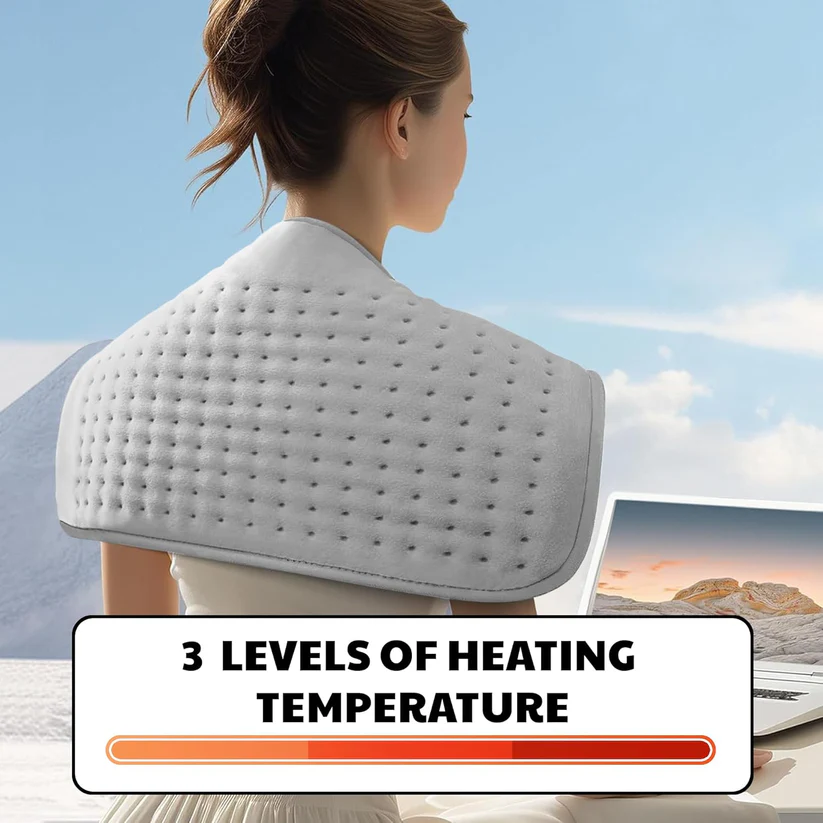
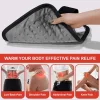
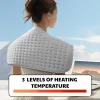
For those working on computers or using smartphones for long hours, neck and shoulder pain is common. A neck heating pad is designed to wrap around the shoulders and upper back, delivering targeted heat therapy.
7. Sciatica and Nerve Pain Relief
Sciatica, caused by pressure on the sciatic nerve, leads to pain radiating from the lower back to the legs. A heating pad helps by loosening tight muscles that press against the nerve, providing temporary relief.
8. Post-Surgery Recovery Support
Doctors sometimes recommend gentle heat therapy for recovery after certain surgeries (when swelling has reduced). Heat helps ease stiffness, reduce muscle spasms, and improve healing by increasing blood circulation.
9. Stomach Pain and Digestive Discomfort
A heating pad can help ease stomach pain, bloating, and digestive cramps by relaxing abdominal muscles and stimulating better blood flow in the digestive tract. It’s a natural remedy for conditions like IBS (Irritable Bowel Syndrome) or indigestion.
10. Cold Weather Comfort
Beyond medical uses, heating pads are also used for comfort in winter. Many people keep an electric heating pad or heated blanket handy to stay warm and cozy during cold nights.
⚡ Types of Heating Pads and Their Uses
Heating pads come in different forms depending on technology, material, and purpose. Let’s look at the most common types:
1. Electric Heating Pads
- Plug into power supply
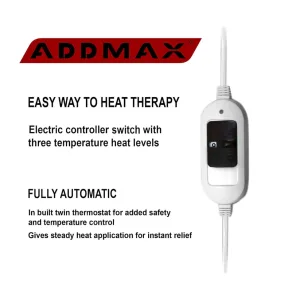
- Adjustable temperature settings
- Continuous heat for long sessions
- Ideal for chronic pain and long-term use
2. Microwavable Heating Pads
- Filled with rice, flaxseed, or gel
- Heated in a microwave
- Portable and eco-friendly
- Useful for quick, short-term relief
3. Infrared Heating Pads
- Use infrared rays for deep tissue penetration
- Provide longer-lasting warmth
- Effective for chronic conditions like arthritis and back pain
4. Chemical Heat Packs
- Single-use disposable pads
- Activate upon shaking or pressing
- Great for travel and outdoor use
5. Moist Heating Pads
- Provide moist heat, which penetrates deeper into tissues than dry heat
- Recommended for severe muscle cramps and tension
How to Use a Heating Pad Safely
While heating pads are highly beneficial, using them incorrectly can cause burns or skin irritation. Here are some safety tips:
- Limit usage time – 15–30 minutes per session.
- Use medium heat settings – Avoid very high temperatures.
- Never sleep with a heating pad on – Especially electric ones.
- Check skin frequently – Avoid burns by placing a cloth barrier between skin and pad.
- Consult a doctor – If you have diabetes, nerve damage, or circulatory issues.
Natural Alternative: DIY Heating Pads
If you don’t have a store-bought heating pad, you can make a DIY heating pad at home:
- Fill a cotton sock with rice or flaxseed.
- Tie the open end.
- Microwave for 1–2 minutes.
- Use as a quick, reusable heating pad.
This is cost-effective and works great for emergencies.
Heating Pad vs. Ice Pack – Which to Use?
Many people get confused between heat therapy and cold therapy.
- Heating Pad (Heat Therapy): Best for muscle stiffness, chronic pain, arthritis, cramps, stress, and post-exercise recovery.
- Ice Pack (Cold Therapy): Best for fresh injuries, swelling, inflammation, or bruises (within the first 48 hours).
A good rule: Ice for injuries, Heat for healing.
Frequently Asked Questions (FAQs)
1. Can I sleep with a heating pad on?
It’s not recommended, especially with electric heating pads. Prolonged heat can cause burns or overheating.
2. How long should I use a heating pad?
Use for 15–30 minutes at a time, then take a break.
3. Are heating pads safe for pregnant women?
Low-level heat applied to the back or legs is usually safe, but consult a doctor before use.
4. Can heating pads help with weight loss?
Heating pads improve circulation and reduce bloating, but they do not directly burn fat.
5. Do heating pads use a lot of electricity?
Modern electric heating pads are energy-efficient and consume minimal electricity.
Conclusion: Why Heating Pads are Essential
From muscle pain relief and arthritis management to stress reduction and winter comfort, the uses of heating pad are vast. It’s a simple, non-invasive, and highly effective tool for everyday wellness.
Whether you choose an electric heating pad, microwavable one, or an infrared model, adding heat therapy to your routine can dramatically improve your quality of life.
👉 Remember: Always use heating pads safely, avoid excessive heat, and consult a healthcare professional for chronic pain.
A heating pad isn’t just a pain-relief device—it’s a natural wellness companion for better health, relaxation, and comfort.

About author


Add comment